Novel Engineering begins with a story. Children read, listen and notice the challenges characters face. Then they ask a practical question: what could we design to help?
That question changes the classroom. A story is no longer only something to summarize. It becomes a world with needs, constraints, people and problems. Students begin to read like designers. They pay attention to what a character lacks, what environment they live in, what tools are available and what kind of solution might actually work.
For SEN, this approach is powerful because it connects literacy, empathy and engineering. It helps children see that STEM is not cold or distant. It can be creative, human and deeply connected to the way people live.
Why Stories Are a Strong Starting Point
Many young learners enjoy stories before they see themselves as engineers. Novel Engineering uses that natural doorway. Instead of beginning with a formula or a technical definition, the process begins with imagination and empathy. Students first understand a person or character, then design for that need.
This makes problem solving less abstract. If a character cannot cross a river, carry water, protect food, move safely or communicate with others, the problem becomes visible. Students can discuss it, sketch ideas, choose materials and build prototypes that respond to the story.
What Learners Practice
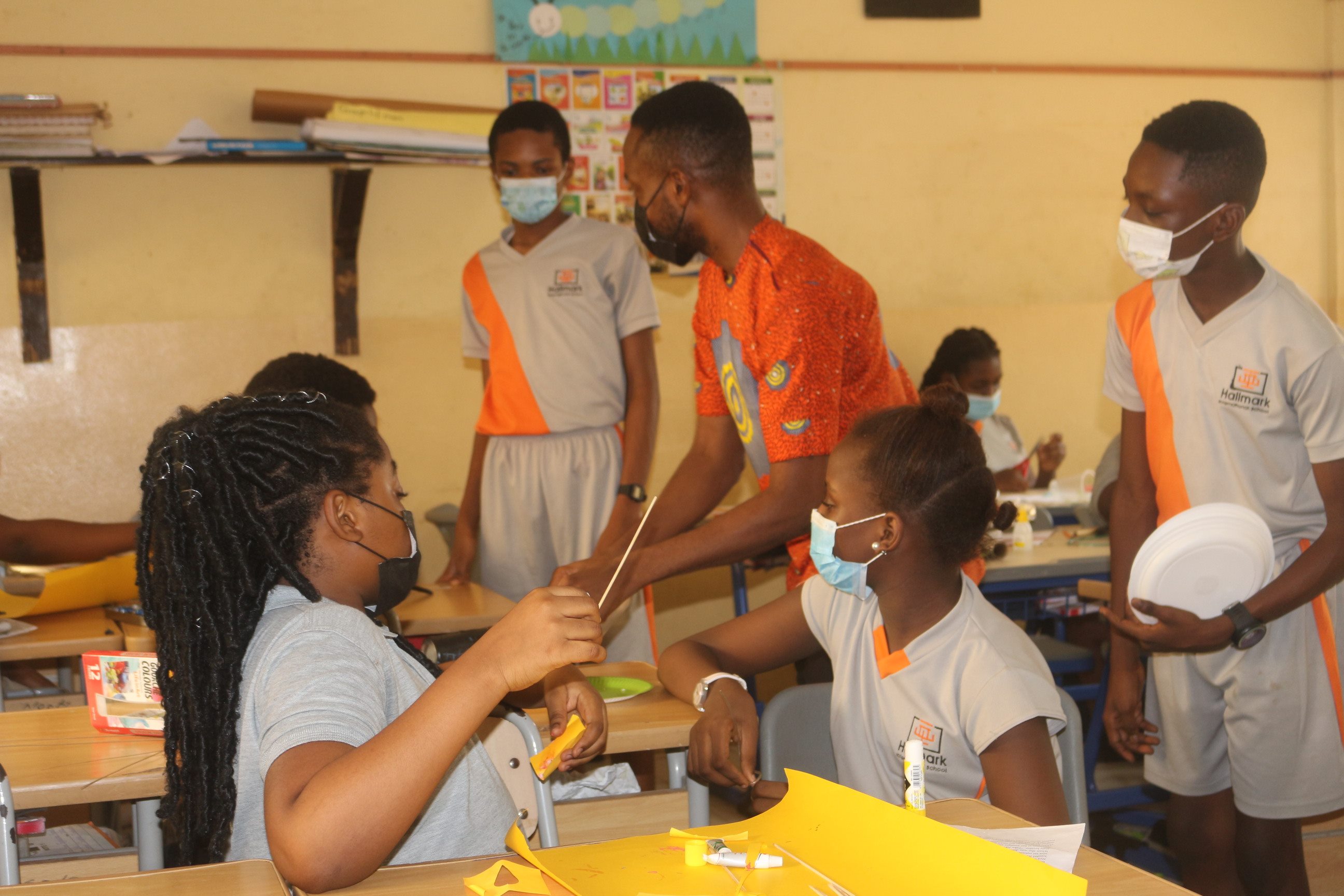
In a Novel Engineering session, students practice more than making objects. They learn to identify problems, listen to different ideas, explain design choices, use simple materials, test what they build and improve it. A cardboard prototype may look simple, but the thinking behind it can be rich.
Students begin to understand constraints. They learn that materials have limits, that designs must serve a purpose, and that a solution should be judged by how well it responds to a need. These are real engineering habits presented in a form children can enjoy.
The Novel Engineering cycle
- Read or listen to a story carefully.
- Identify a problem faced by a character or community.
- Brainstorm possible solutions with a team.
- Build a prototype using available materials.
- Test, explain, improve and present the solution.
What It Looks Like in Practice
In SEN sessions, children have used everyday materials to create models, devices, shelters, vehicles and support tools inspired by problems they discussed. The point is not perfection. The point is to help children think like problem solvers and communicate why their design matters.
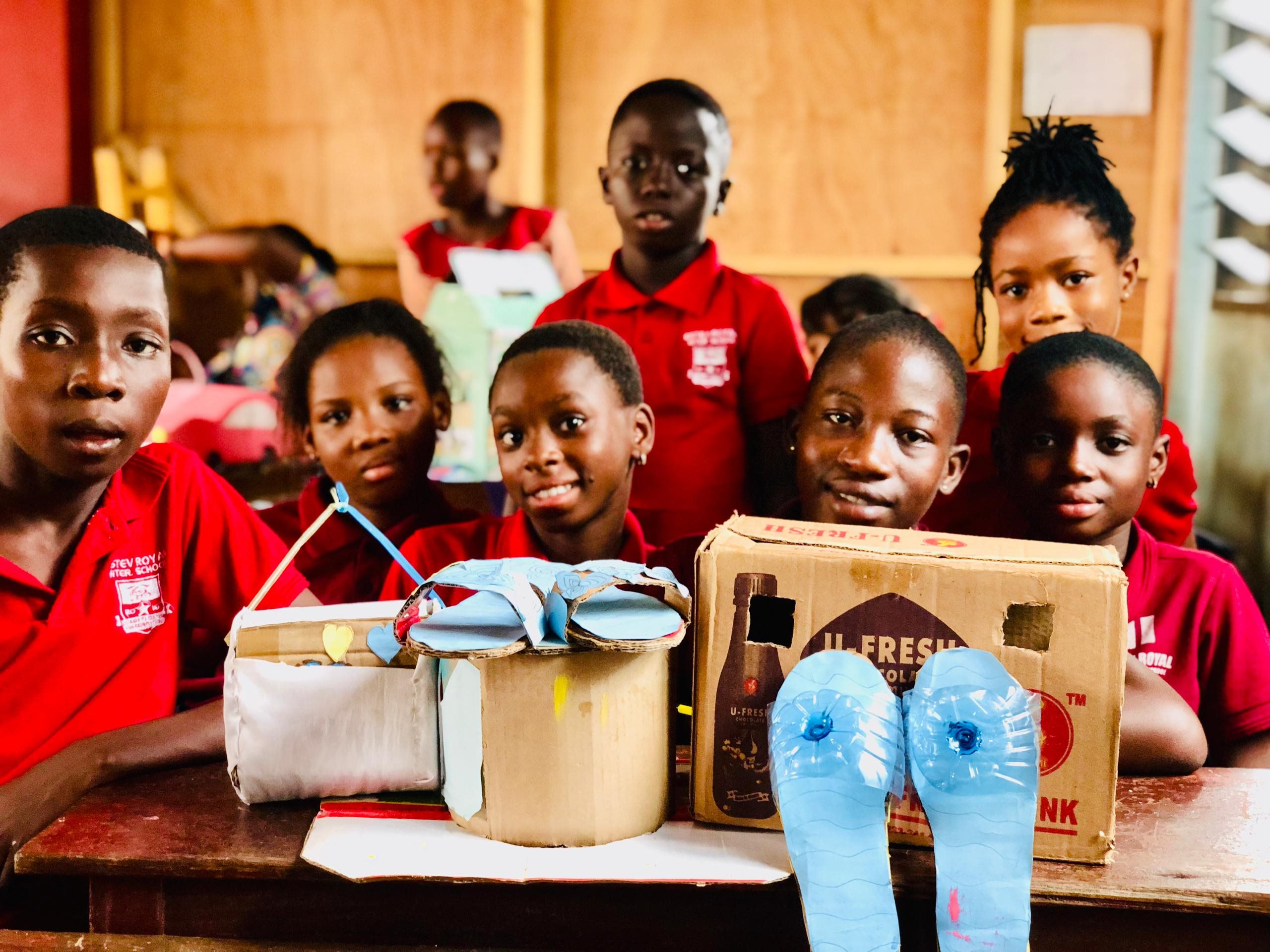
The classroom energy changes when students are allowed to build. Quiet learners often become active when they can contribute with their hands. Students who struggle to speak at first may find confidence when explaining a prototype. Teams learn that the best idea is not always the first idea, and that improvement is part of the process.
How This Supports LIW
Novel Engineering fits naturally into SEN's Little Innovators Workshop because LIW is built around the idea of dismantling, rebuilding and reimagining. Both approaches invite children to see objects, stories and problems differently. They learn that innovation does not always begin with expensive tools. Sometimes it begins with noticing, asking better questions and using what is available creatively.
That is why SEN continues to use Novel Engineering across different school and community settings. It gives children a practical way to combine reading, imagination, teamwork and STEM thinking.
Stories make problems human. Engineering gives students tools to respond.
Why It Matters
If we want young people to become innovators, they need early opportunities to practice empathy and design. They need to know that solving problems is not only for adults, engineers or people with advanced technology. Children can begin with paper, cardboard, tape, bottles, sticks, motors, glue and imagination.
Novel Engineering makes that beginning possible. It helps learners understand that every story contains problems, and every problem is an invitation to think, build and improve.