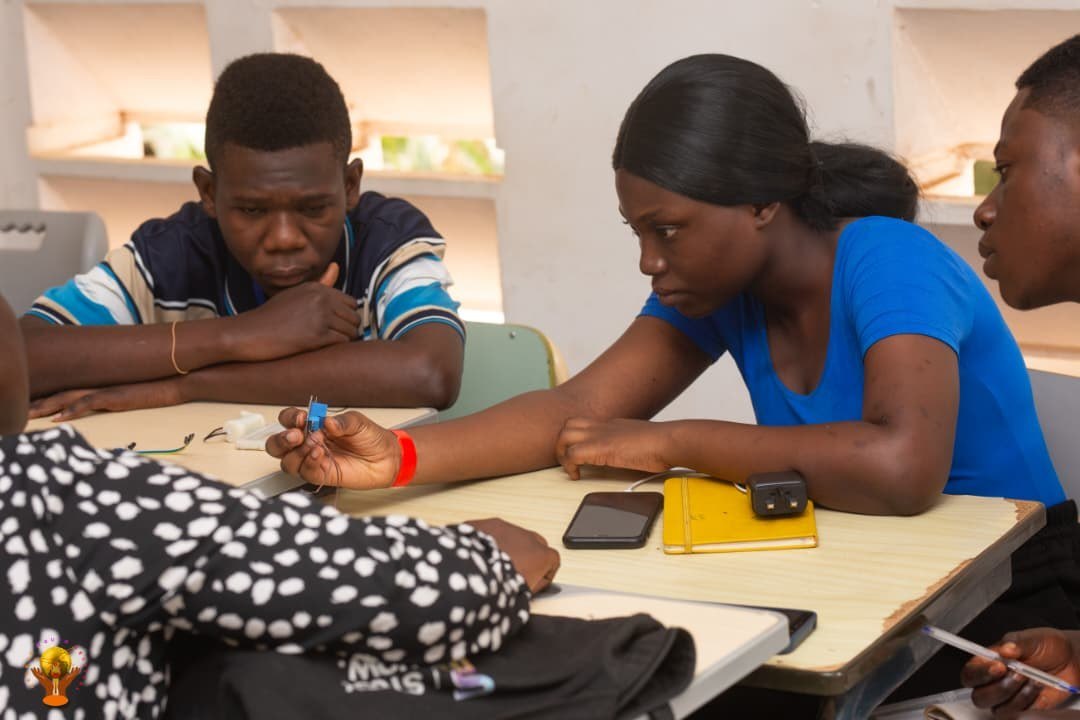
SEN's OYF Masterclass at Valley View University, Oyibi, was built around a simple belief: young people understand STEM better when they can touch, test, connect and explain what they are learning.
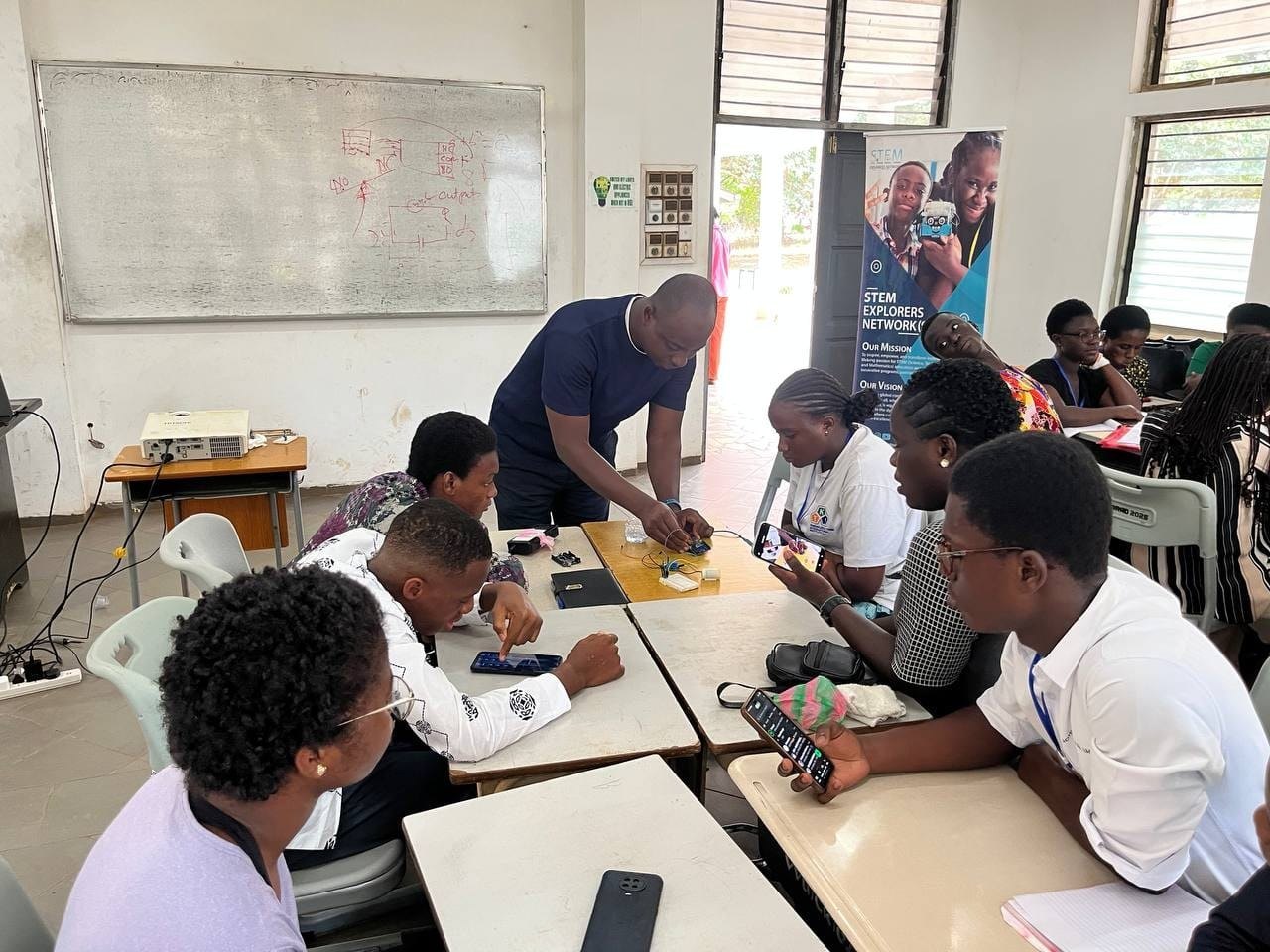
The session brought participants into a practical learning environment where circuit components were not just names on a slide. Wires, batteries, motors, switches and simple connections became the language of the room. With facilitation support from Teacher Aboagye, participants worked through the basics of how components relate to one another and how small actions can produce visible results.
For many learners, STEM feels distant because it is presented as a subject to pass instead of a tool to use. The masterclass helped close that gap. It gave participants a chance to ask questions, make attempts, correct mistakes and learn by doing. That kind of session is especially important for young people who may be curious but have not had enough exposure to practical tools.
Why Practical Masterclasses Matter
A masterclass like this does not need to become a full bootcamp to be valuable. Its power is in the first shift it creates. A learner who has only heard about circuits can begin to understand why connections matter. A learner who has only seen technology as finished products can begin to see the invisible decisions behind those products.
This is the same spirit that runs through SEN's wider programs. Robotics Bootcamps introduce learners to programming and sensors. Little Innovators Workshop helps children dismantle, rebuild and reimagine everyday objects. SMA helps young builders move from ideas to prototypes. SIC gives tertiary teams a challenge pathway where practical solutions can be developed further.
The OYF Masterclass strengthened four things:
- Practical confidence with basic STEM components.
- Curiosity about how devices and systems work.
- Team learning through shared tools and visible problem solving.
- A stronger connection between STEM knowledge and real-life making.
From Exposure to Pathway
One practical session can spark interest, but SEN's larger responsibility is to turn that interest into a pathway. That means giving learners repeated opportunities to build, ask better questions and see themselves as capable creators.
The OYF Masterclass was one more proof point that young people respond when the learning environment respects their curiosity. They do not need everything simplified into slogans. They need access, patient facilitation and the chance to try.
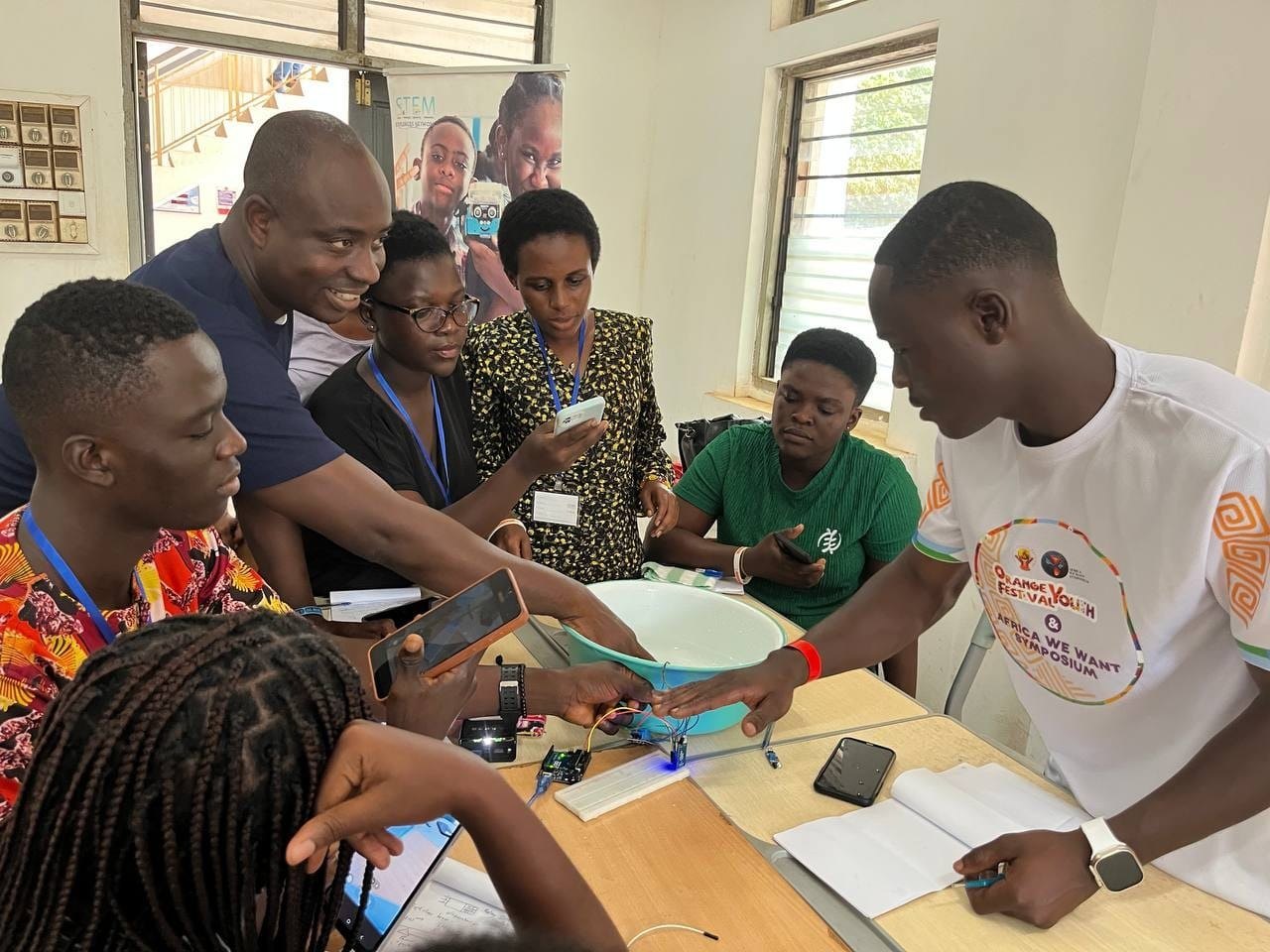
When young people build even a small working thing, STEM stops looking like a distant field and starts feeling like a usable language.
What Comes Next
SEN will continue to connect short, powerful experiences like the OYF Masterclass with deeper programs such as SMA, SIC, school workshops and community outreach. The aim is not only to host events. It is to grow a pipeline of young people who can imagine, build, explain and improve practical solutions.