The SEN Mini Accelerator is a short, practical build pathway for young people who are ready to move beyond "we have an idea" and begin testing something real.
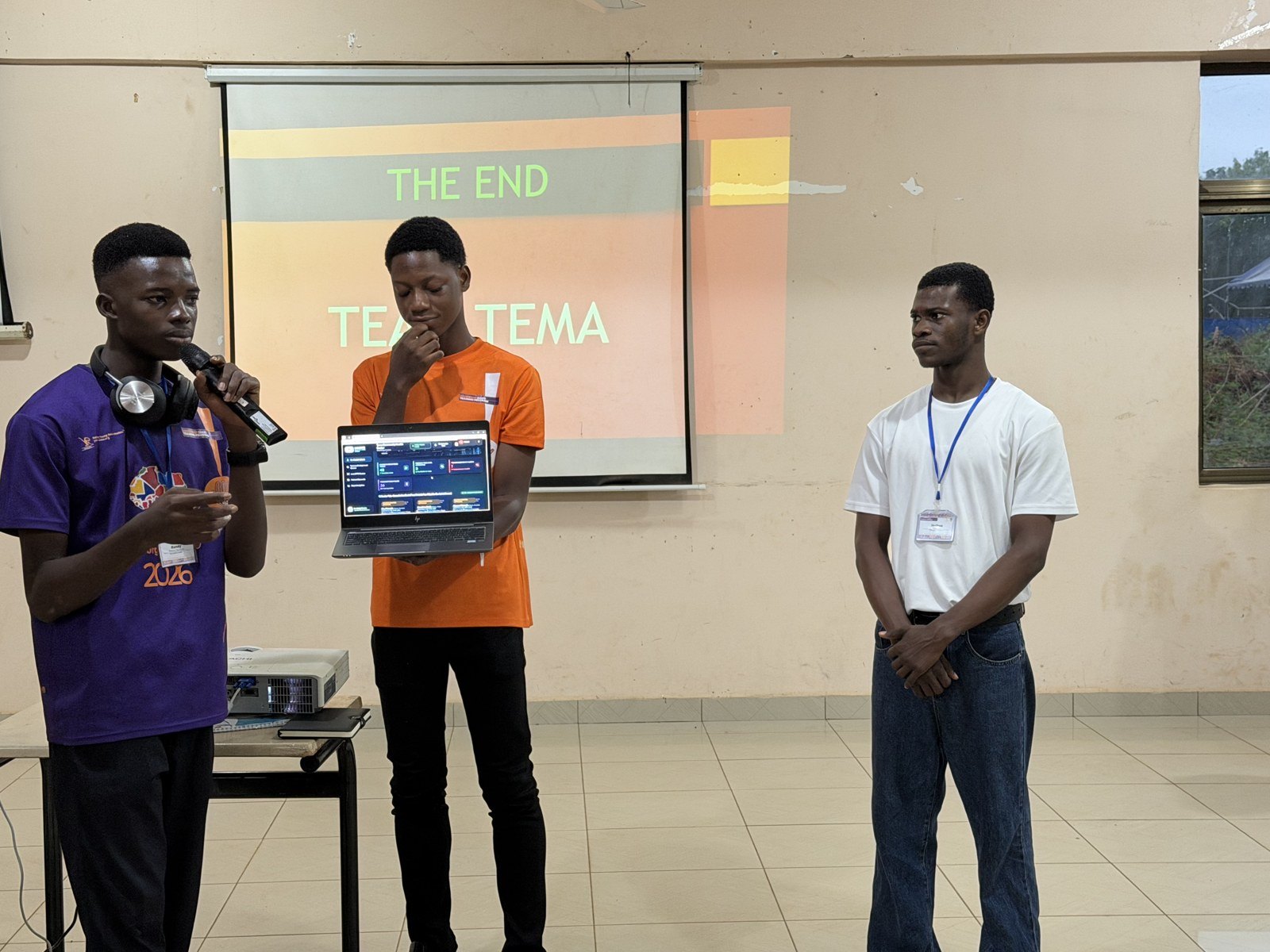
In 2026, the SEN Mini Accelerator brought together 18 final participants across four team projects. The teams worked on ideas connected to agriculture, education, health and digital safety. The goal was not to reward the loudest pitch. The goal was to help teams ask better questions, build clearer prototypes and explain their work with evidence.
The program showed what SEN believes about youth innovation: young people do not only need motivation. They need a structure that helps them define a problem, listen to users, divide team responsibilities, build a first version and present the next step clearly.
Why the Format Matters
A full accelerator can run for months and usually supports startups that already have a clear product direction. A mini accelerator is different. It is shorter, more accessible and better suited for students or early-stage builders who are still learning how innovation work actually happens.
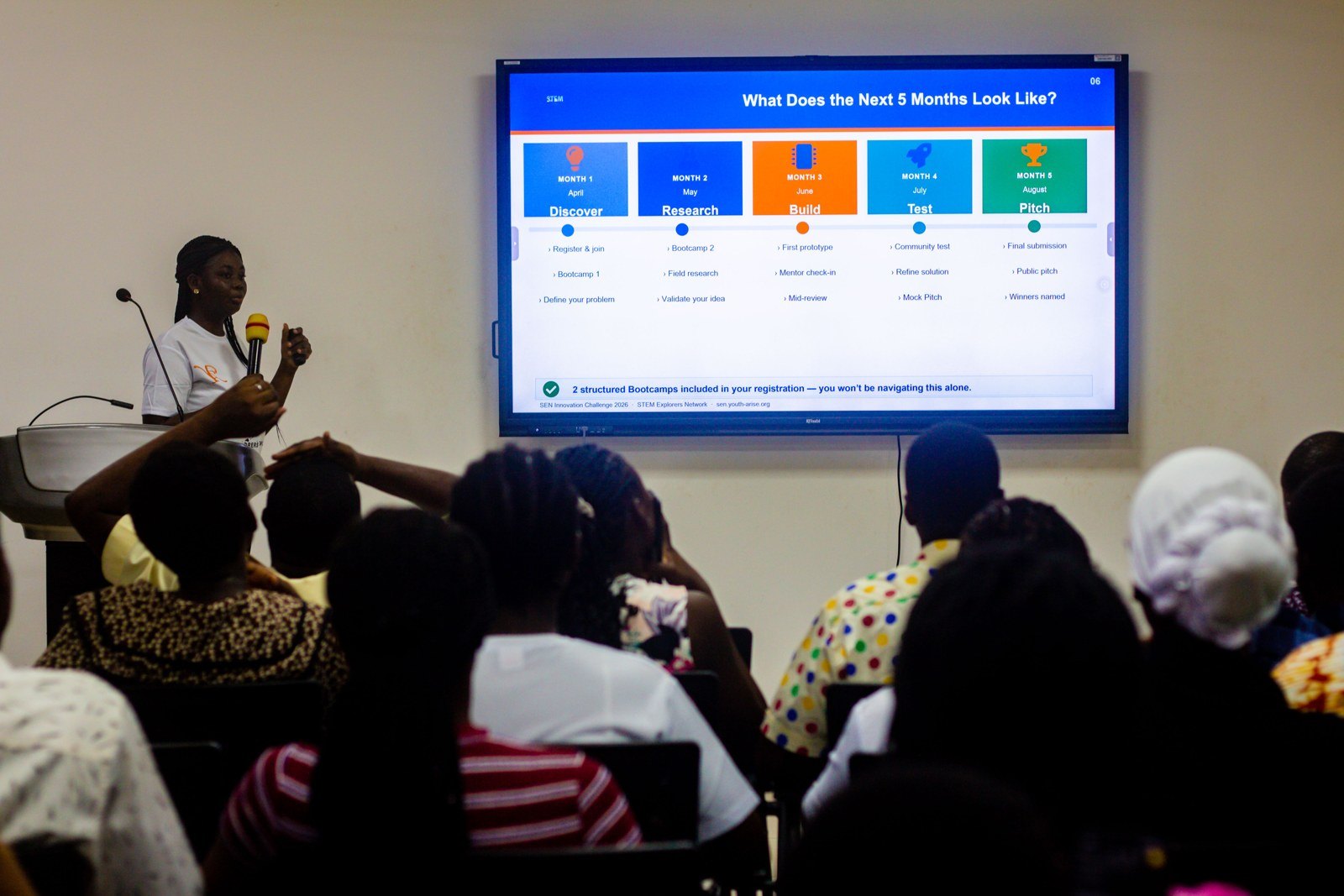
For SEN, the mini accelerator model lowers the barrier to practical innovation. It gives young people a disciplined rhythm: understand the problem, choose a focused solution, build version one, receive feedback and improve the pitch. That rhythm matters because many good ideas fail before they become useful simply because the team never gets a clear build process.
What the 2026 Teams Worked On
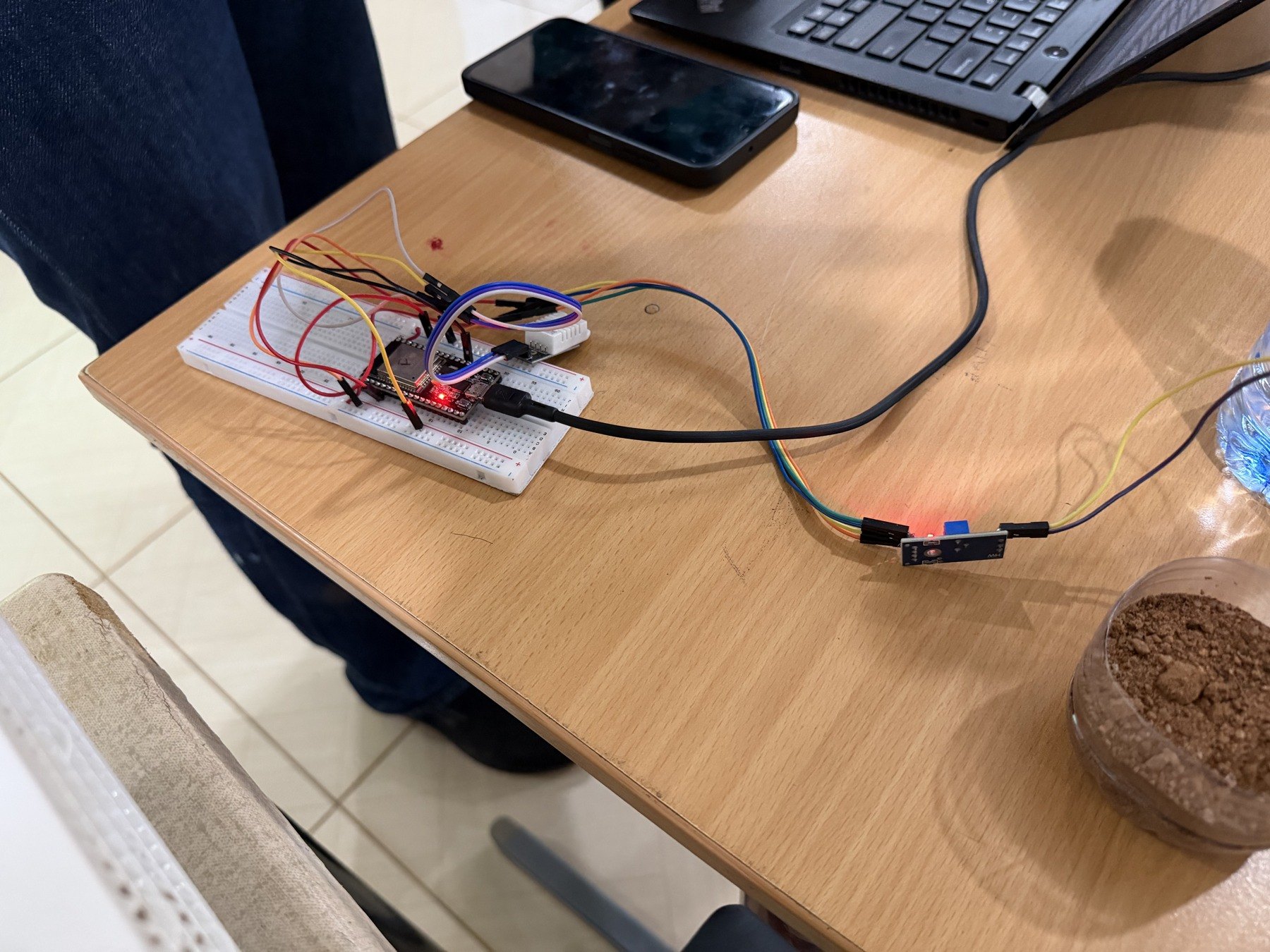
The projects reflected different kinds of innovation. Team Nexora worked on AgriSynq, a smart irrigation and farm-resource management idea. Another team worked on StudyMind, an education-focused concept for supporting learning. DigiCare explored a health-related digital project. A fourth team developed a digital safety reporting idea focused on issues such as scams, fraud and online harm.
That mix matters. Innovation should not be treated as only app development. A useful solution can be a device, a digital tool, a service model, a reporting system, a learning assistant, a community campaign or a hybrid of several approaches. The Mini Accelerator makes room for that range while still asking each team to be specific about the problem and the people affected.
Teams also practiced presenting their work. They had to explain what they were building, why the problem mattered, who would use the solution and what evidence or next step would strengthen the idea. That discipline is the difference between a nice concept and a solution pathway.
The 2026 SMA helped teams practice:
- Problem framing and user understanding.
- Team roles, accountability and communication.
- Prototype thinking and MVP discipline.
- Feedback collection and iteration.
- Pitching with clarity instead of hype.
Why Young Builders Need This
Young people are often told to be innovative, but they are not always taught the process of innovation. They may be asked to pitch ideas before they have learned how to investigate a problem. They may be encouraged to build apps before they understand whether users need an app. They may be rewarded for confident presentations even when the solution itself is weak.
Mini accelerators correct that by making the process visible. Students learn that innovation is not only about inspiration. It is also about evidence, iteration, teamwork and listening. This is why SMA is important to SEN's wider pipeline: it prepares young people to enter bigger challenge spaces with more maturity and more practical confidence.
Ideas become stronger when young people test them against real problems and real users.
How This Connects to SEN's Work
SEN's Mini Accelerator gives young builders a practical way to apply STEM thinking to real-world challenges. It also strengthens the wider SEN ecosystem by preparing young people for more advanced innovation opportunities, including team-based challenge programs and showcase platforms.
The bigger aim is simple: help young people move from consuming technology to building useful solutions. SMA is one practical step in that journey, and the 2026 cohort gave SEN fresh evidence that young people can do serious work when the environment expects more than a speech.