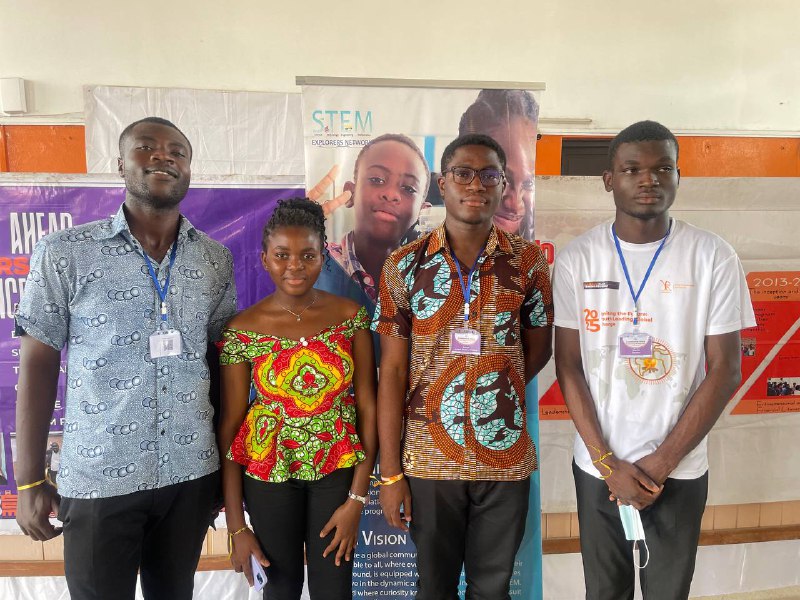
LDTP Hackathon

For high school graduates ready to innovate and build real solutions.

LDTP hackathon participants

From Classroom to Innovation Floor

The LDTP (Learn. Develop. Think. Pioneer.) Hackathon is designed for high school graduates who are ready to take their STEM education to the next level. Participants collaborate in teams to tackle real-world challenges, applying the STEM skills they've built and developing new ones.

This is more than a hackathon. It's a bridge between secondary school and the innovation economy — helping young people discover what they're capable of when they stop consuming and start creating.

Post-SHS
Who It's For
Team-Based
Format
Impact-First
Approach
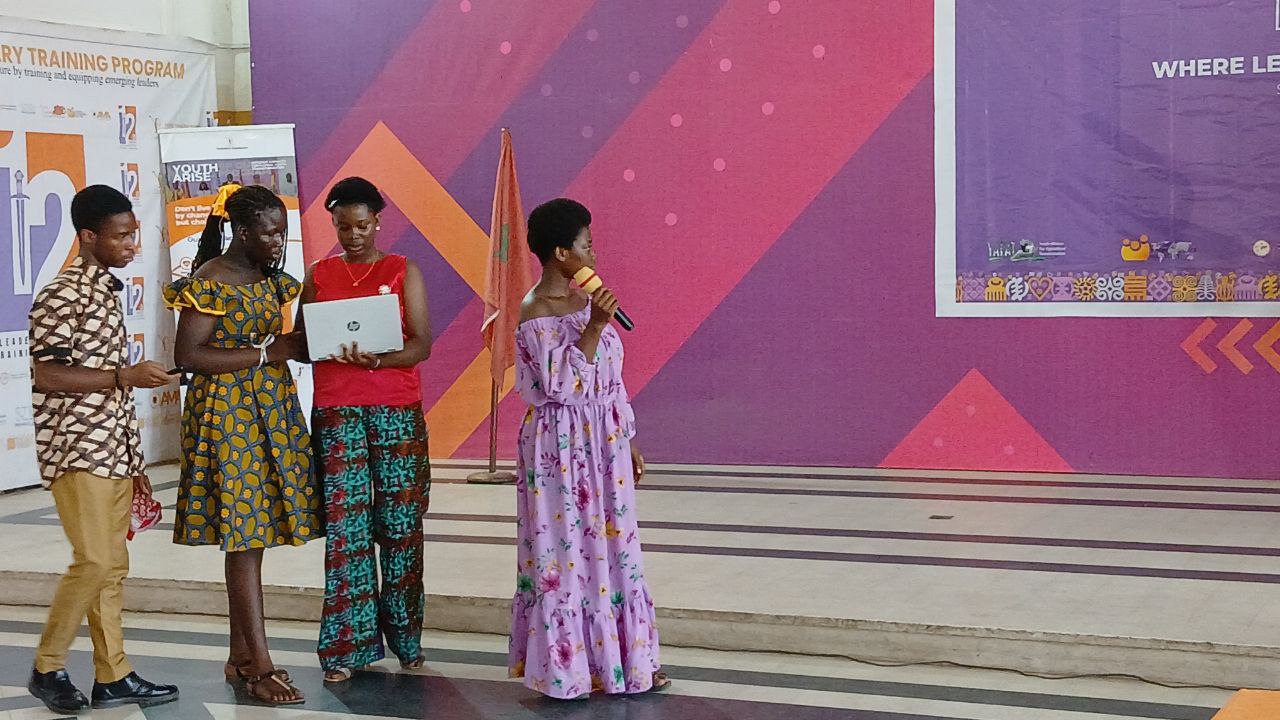
Learn. Develop. Think. Pioneer.

📚

Learn

Participants receive short, intense learning inputs from STEM practitioners — picking up new skills and perspectives before diving into challenges.

⚙️

Develop

Teams develop their ideas from initial concept through rapid prototyping — guided by mentors and encouraged to iterate quickly.

🧠

Think

Critical thinking challenges push participants to question assumptions, analyze problems deeply, and consider the societal impact of their solutions.

🚀

Pioneer

Teams present their final solutions to a panel of judges — learning to pitch, defend, and communicate their innovations with clarity and confidence.

Built for the Curious Graduate

The LDTP Hackathon is ideal for you if you have recently completed secondary school, have a passion for problem-solving, and want to experience what it feels like to build something that matters — before you head to university or enter the workforce.

  • Recently completed SHS or equivalent
  • Interested in technology, engineering or science
  • Ready to work in a team under real conditions
  • Eager to build, pitch and get feedback
  • Open to learning new tools and mindsets
Express Interest
LDTP hackathon teams

Ready to Build Something Real?

The LDTP Hackathon is open to high school graduates across Ghana. Express your interest and we'll keep you updated on the next cohort.